


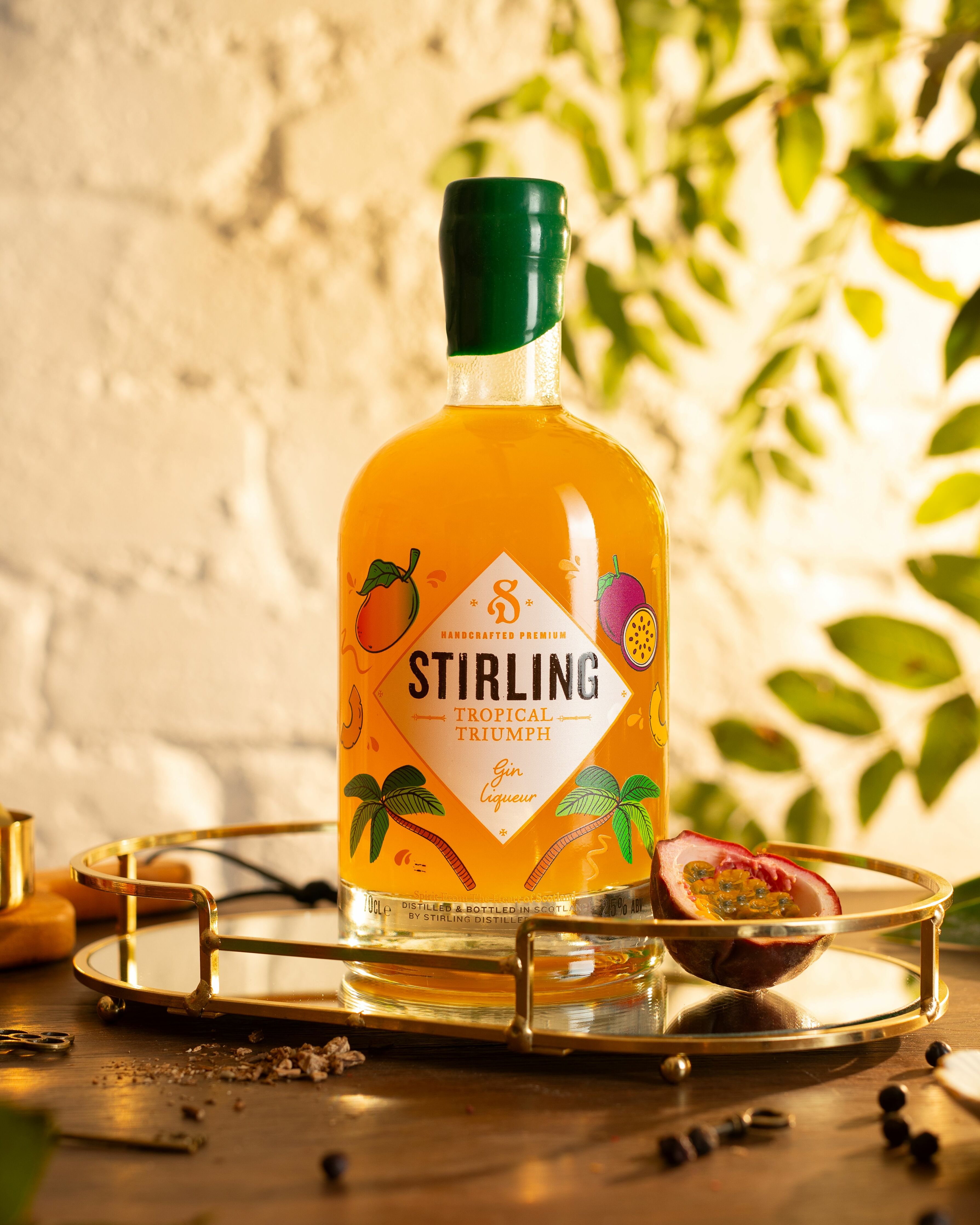

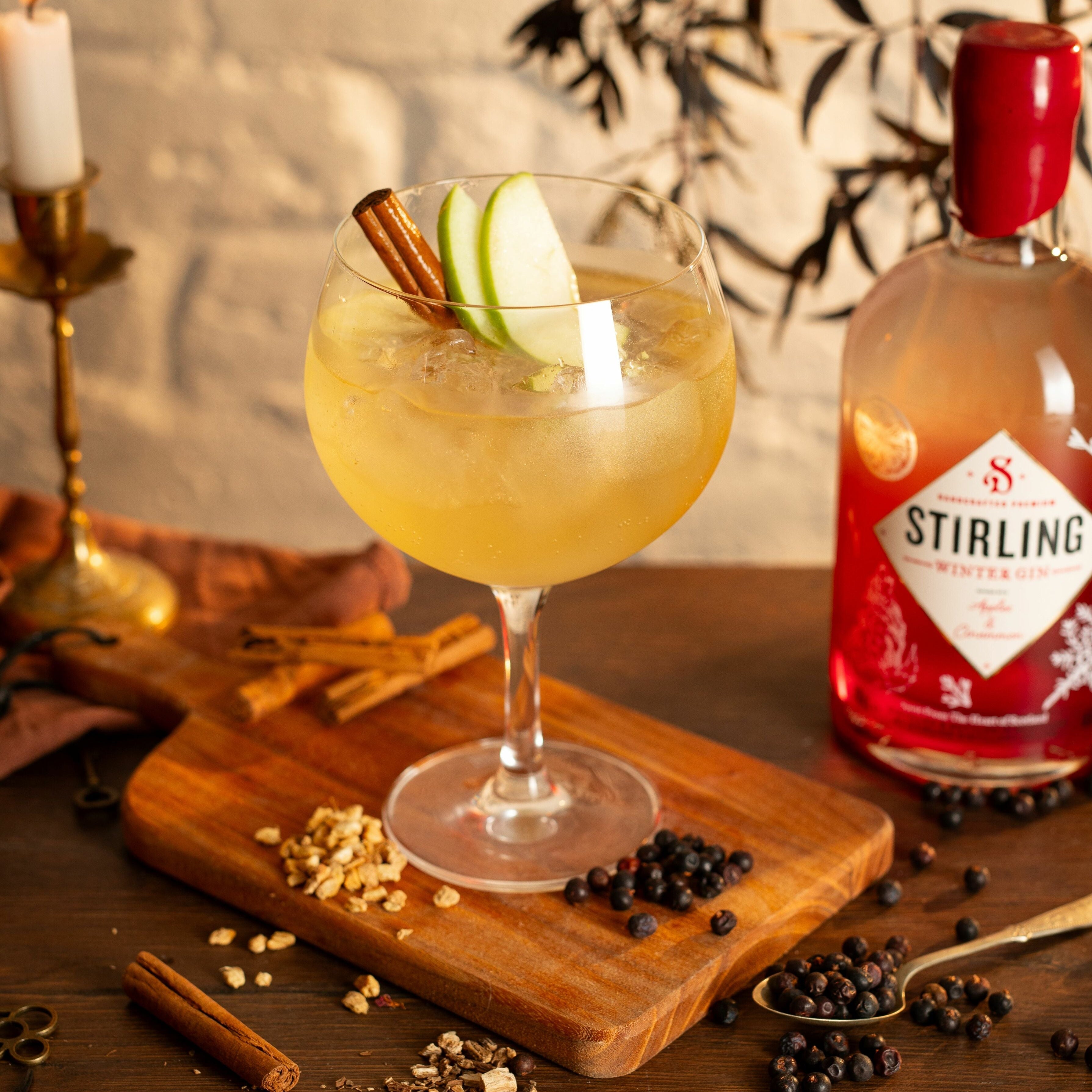
Scottish gin has quietly become one of the best things to come out of the country since, well, whisky. Scotland now makes more gin than anywhere else in the UK, and a good Scottish gin tells you exactly where it came from: the botanicals, the water, and the hands that made it. But step into that world for the first time and it is easy to feel lost. Juniper-forward or floral? Navy strength or an easy sipper? Here is how to choose a Scottish gin you will actually love, how to taste it properly, and how to serve it so it sings.
What makes a Scottish gin different
Every gin on earth has to lead with juniper. That is the law. What sets a Scottish gin apart is everything built around it: local botanicals pulled from the landscape, the soft Scottish water used to cut it to strength, and the small-batch character you only get when a person, not a factory, is watching the still.
At Stirling Distillery we hand-forage wild nettles from the fields around Stirlingshire for our flagship Stirling Gin. They give it a green, earthy backbone you cannot fake with a flavouring. That is the whole point of buying Scottish: provenance you can taste.
How to choose the right one for you
Forget the marketing. Pick your gin by the mood you are in.
- You want the all-rounder. Go classic and juniper-led. Our Stirling Gin is herbal, balanced and built to mix. It is the bottle you reach for on a Tuesday and still trust on a Saturday.
- You want something bolder. Step up to navy strength. Battle Strength Gin lands at 55% ABV. That sounds fierce, but it simply means more flavour and a gin that refuses to vanish under tonic.
- You want colour and character. Stirling Pink Gin layers rose petals and pink peppercorn over twelve botanicals. Bright, smooth and a guaranteed crowd-pleaser.
Not sure yet? The smart move is to start with a range rather than a single bottle. Browse the full Stirling gin collection and try a couple side by side. Your palate will tell you more in one evening than any label ever could.
How to taste gin like you mean it
Tasting gin neat, before it ever meets tonic, is the fastest way to understand what you are drinking. Here is the short version.
- Nose it first. Pour a small measure, let it settle, then breathe in gently. Hunt for the juniper, then the layers underneath: citrus, spice, something floral or herbal.
- Add a drop of water. Just one drop opens a gin up and softens the alcohol, exactly like it does with whisky. The quieter botanicals suddenly step forward.
- Taste slowly. Hold it on your tongue. Notice the start, the middle and the finish. A good Scottish gin evolves rather than shouting one note and stopping.
How to serve it so it sings
The perfect gin and tonic is not complicated, but the details matter.
- Ratio. Start at one part gin to two parts tonic, then adjust to taste. Too much tonic drowns the botanicals.
- Ice, and lots of it. A glass packed with ice melts slower than one with two sad cubes, so your drink stays cold and undiluted for longer.
- Garnish with intent. Match the garnish to the gin. Classic gin loves a wedge of orange or a sprig of rosemary; pink gin sings with fresh raspberries or a twist of grapefruit.
- Use a good tonic. You spent money on the gin. Do not undo it with flat supermarket tonic. A crisp, dry tonic lets the gin lead.
Where to start
If you take one thing from all of this, let it be this: buy a bottle with a story you can taste, then take five minutes to actually taste it. That is the difference between drinking gin and enjoying it.
Ready to find yours? Explore the full Stirling gin collection and pour something worth slowing down for.
Want the full breakdown of styles? Read our guide to the types of gin and how to choose one.